The Civil Rights Fight in Our Public Schools
Why school boards?
Remember? Policies concerning public school education are made at the state level. The Constitution of Pennsylvania Article III Section 14, provides school boards the authority to maintain and support a thorough and efficient system of public education. Each school board consists of nine members who serve for 4 yrs, and one superintendent appointed by the board. The Board’s job is to govern the district and the superintendent’s job is to manage the district by implementing the decisions of the board. The board adopts and revises districtwide policies and oversees resources for the schools in the district. They adopt curriculum and courses of study, establish disciplinary policies and other districtwide policies, and hire school personnel – including teachers and counselors. The School Board holds the POWER.
Therein lies the threat. Whoever holds the majority on the school board can dictate what and how our students are taught. For example, the Pennridge School District has been in the news lately. Pennridge School district is a mere 20 miles from here. In April, the Pennridge Republican-majority School Board hired Jordan Adams, a consultant tied to Hillsdale, a Conservative Christian College, to revamp the K-12 social studies curriculum and advise on library books – over the objection of the current superintendent The curriculum, written in part by Adams, lists Hillsdale College’s “1776 Curriculum” as a required resource for teachers.
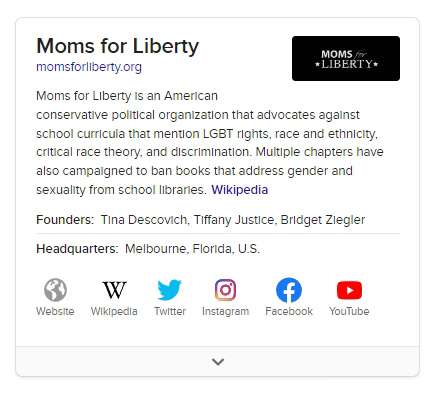
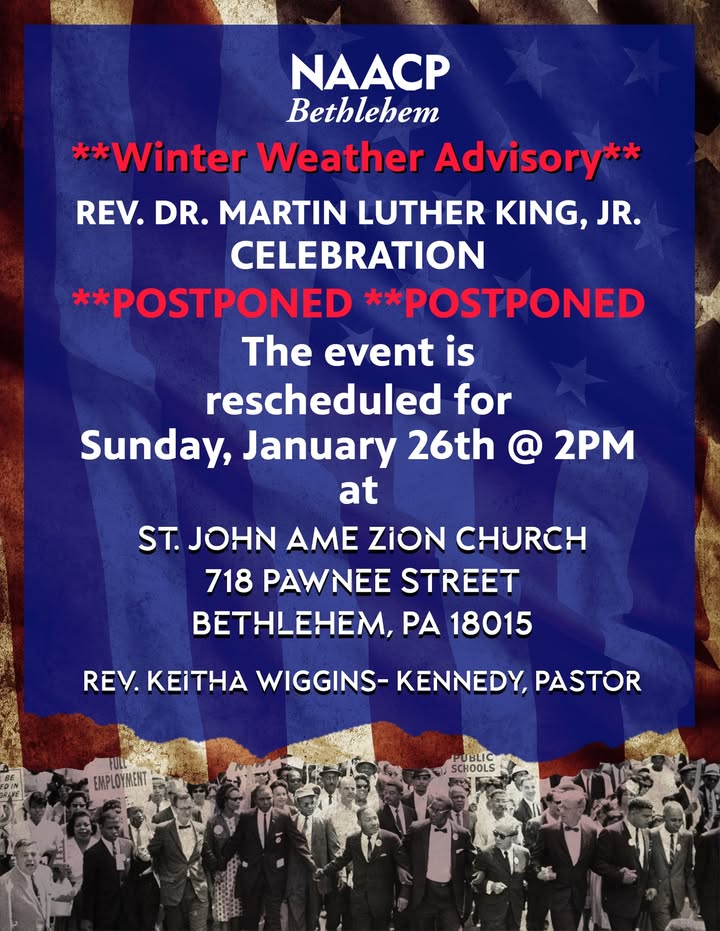
Outraged community members have accused the school board of seeking to whitewash history. Teachers are upset with a curriculum they deem is not age-appropriate or in line with PA state standards. Books have already been removed from school libraries with no discussion – all within less than 4 months of Adam’s hiring. What’s even more concerning? Jordan Adams was a presenter at the Moms for Liberty 2023 National Summit where his presentation was focused on successfully flipping school boards, and it included detailed instructions about how to get newly elected board majorities to push through Moms for Liberty policy priorities in their school districts. It featured a how-to guide on destabilizing school districts within the first 100 days of taking office. He deemed himself in his work with school districts as a “wolf in the hen house.” So be aware of this underlying agenda. If you are not familiar with the Moms for Liberty and their mission (think Florida), please take a close look at the materials on their website. www.momsforliberty.org Both Lehigh County and Northampton County have active chapters.To fulfill our students’ right to a “meaningful opportunity to succeed academically, socially, and civically,” as our state constitution requires, our School Boards are the key to achieving this. PLEASE, if you believe in EVERY child’s right to a free, quality public education – put as much thought into voting for your school board as you do for the President of the US, or the Governor of your state. You hold the power. Do your research. Research the candidates. Ask questions. We can help you with that – The public is invited to attend a Candidate’s Forum sponsored by NAACP on Oct 5th, 6pm. It will be held at the Northampton Community College satellite campus on E 3rd St in Bethlehem. Hear from the candidates before you cast your vote.